NEWS
The Paralympic Movement and the Broader Landscape of Access
By Annika Berlin

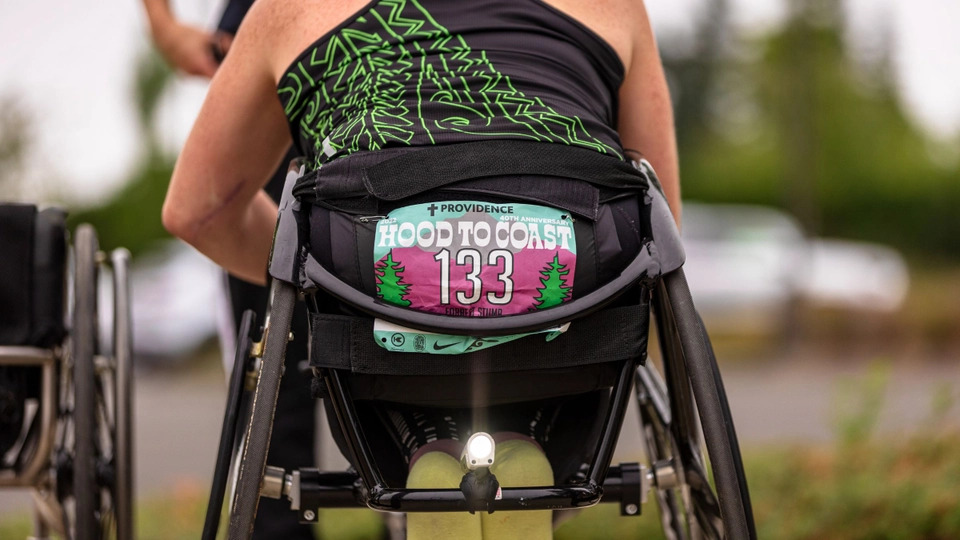
As the Paralympic Games conclude, elite adaptive sport is in focus, offering a clear view of what movement and competition can look like at the highest level. Team USA delivered one of its strongest showings in recent history, finishing second overall with 24 total medals, including 13 gold, marking its strongest gold medal performance in the last 20 years.
Across 10 days of competition, athletes made debuts, defended titles, and continued to shape the legacy of adaptive sport on a global stage. Fans showed up in full force, with sold-out arenas and record engagement signaling that para sport culture is not emerging, but firmly here.
We saw moments that continue to shape public understanding of what is possible while expanding the visibility of adaptive sport. Athletes like Dani Aravich (our former SEBCM social media contractor!) competed in para cross-country skiing and biathlon, while the U.S. men’s sled hockey team secured its fifth consecutive gold medal. In Nordic skiing and biathlon, Oksana Masters added four golds and a bronze to her record-setting career. The Games also highlighted the intersection of sport and innovation, with Mike Schultz returning to the podium while continuing to advance high-performance prosthetics used across the field.
Milano Cortina 2026 marked a significant moment for adaptive sport, showcasing elite performance and growing global visibility. These moments matter. They shape perception, broaden awareness, and create new entry points into sport.
At the same time, they sit alongside a more complex reality. Access remains a central challenge, from uneven broadcasting and visibility to the day-to-day barriers individuals face in obtaining the prosthetic and orthotic devices needed to move safely and fully.
The Role of Visibility
Over the past several years, there has been a noticeable shift in how para sport is covered, shared, and understood. More athletes are being recognized not only for their results, but for their identities, perspectives, and influence beyond competition. The expansion of storytelling across social platforms, athlete-led spaces, and emerging media collectives like Culxtured is beginning to reshape how disability is represented in sport, moving away from limitation-based narratives toward a more complete picture of performance, identity, and culture.
This kind of storytelling does more than highlight results. It builds familiarity. It creates recognition. It helps establish para sport not as a niche, but as part of a broader sports culture.
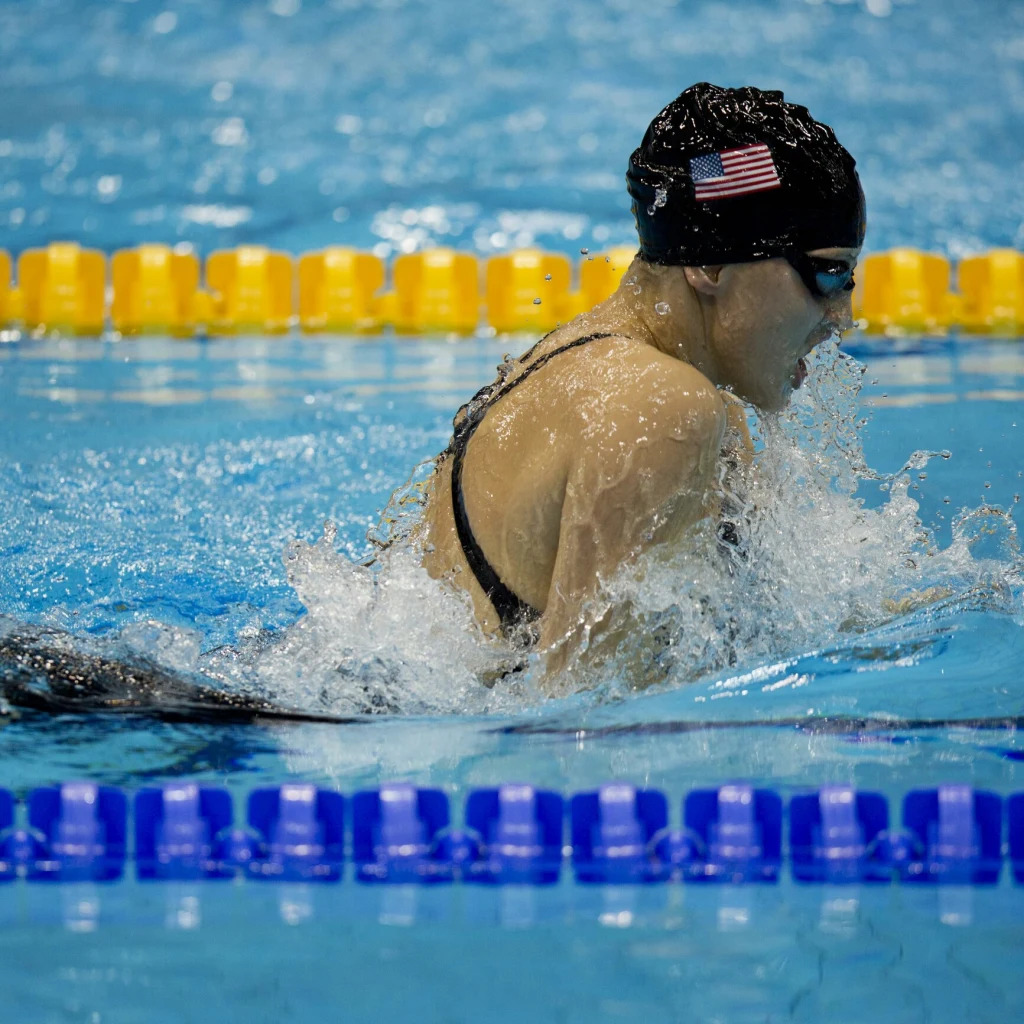
Paralympian Anna Johannes, who has been involved with Culxtured as a strategic partner, reflected on this: “The Paralympic movement has meant being part of something greater than myself.” That “something greater” extends beyond competition. It includes the cultural mindsets, narratives, and shared understanding that shape how disability and sport are seen and valued.
She also spoke to how that visibility translates into participation: “Every elite athlete started at square one. A kid with a disability cannot discover what sport they love if they never get to see it or try it.” That shift, from not seeing to seeing, is often where participation begins. To see disabled athletes competing at a high level can change how someone understands their own potential. It can reframe assumptions about ability, strength, and belonging. It can create a point of entry where none existed before. The act of seeing is not passive. It is often the first step in participation.
The Conditions Required to Participate
But recognition alone does not create access. The ability to move, try a sport, or return to an activity depends on conditions that are far less visible, most notably access to appropriate prosthetic and orthotic care and adaptive equipment. For many, movement relies on devices that must be tailored to specific activities and environments.
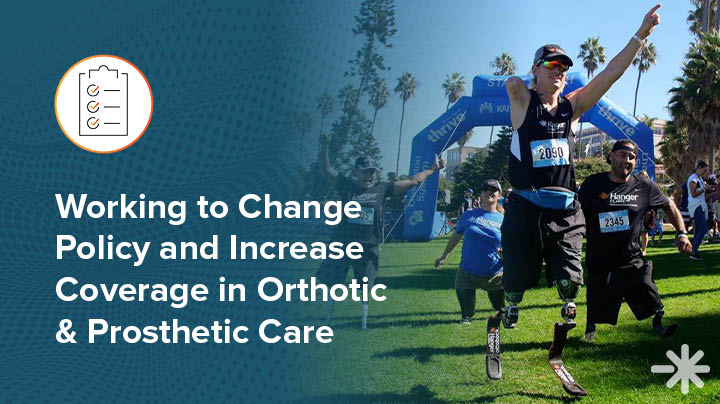
A persistent misconception is that one device can meet all of these needs. As Paralympian Anna Johannes shared, “The biggest misconception is that one prosthetic is a fix for everything.” In reality, a device designed for walking does not function the same as one built for running, skiing, lifting, or even safely navigating daily activities. Each serves a distinct purpose.
Yet coverage models often assume a single device is sufficient. In practice, many individuals are limited to one device, regardless of what is medically necessary to restore full function, creating a clear gap between what is covered and what is required.
The result is not just a limitation in performance. For many, it becomes a barrier to participation itself. Movement is avoided, modified, or abandoned, not due to lack of interest or ability, but because the right tools are not accessible. This gap often exists long before elite sport enters the picture.
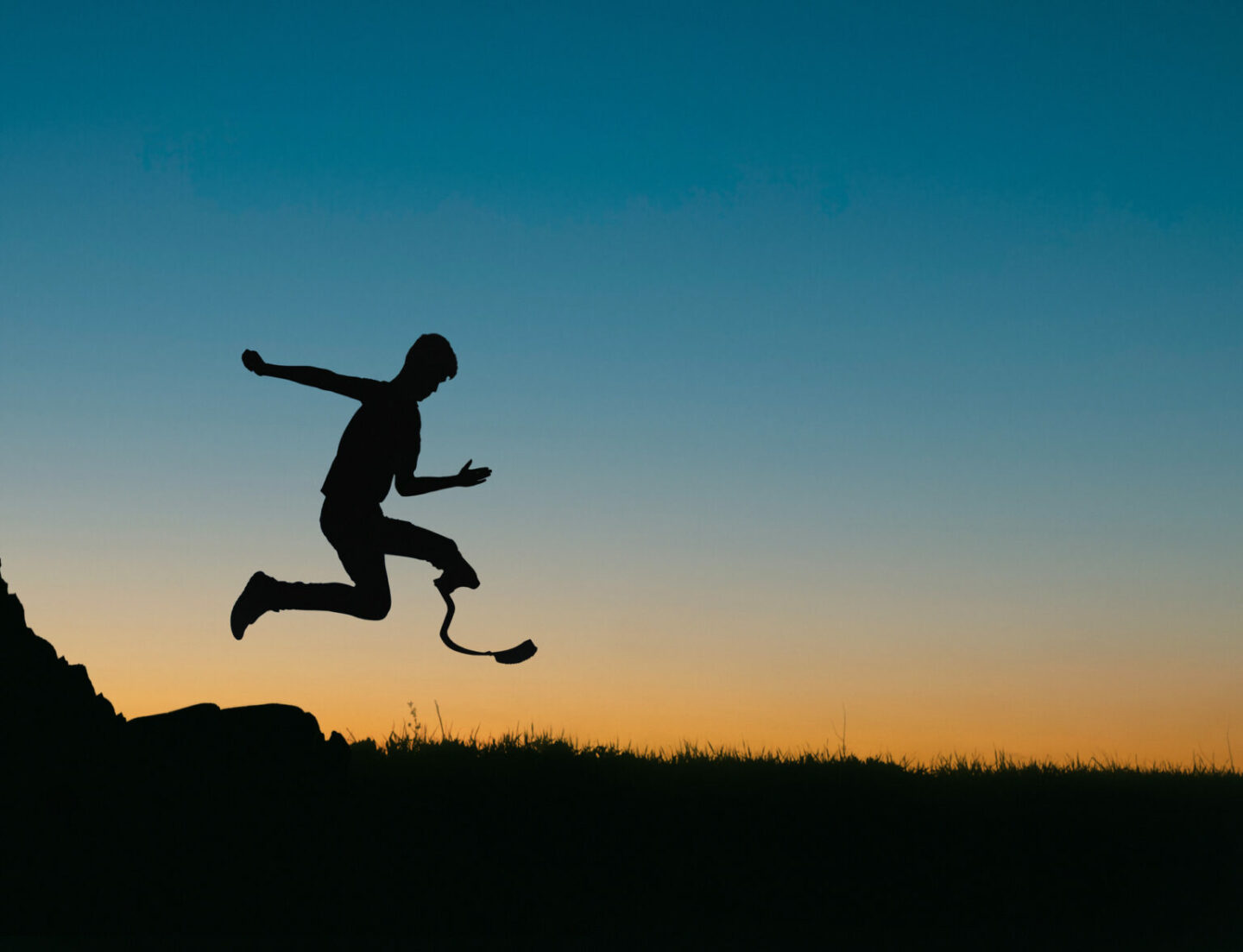
Movement Beyond Competitive Sport
The implications of this gap extend well beyond elite athletics.
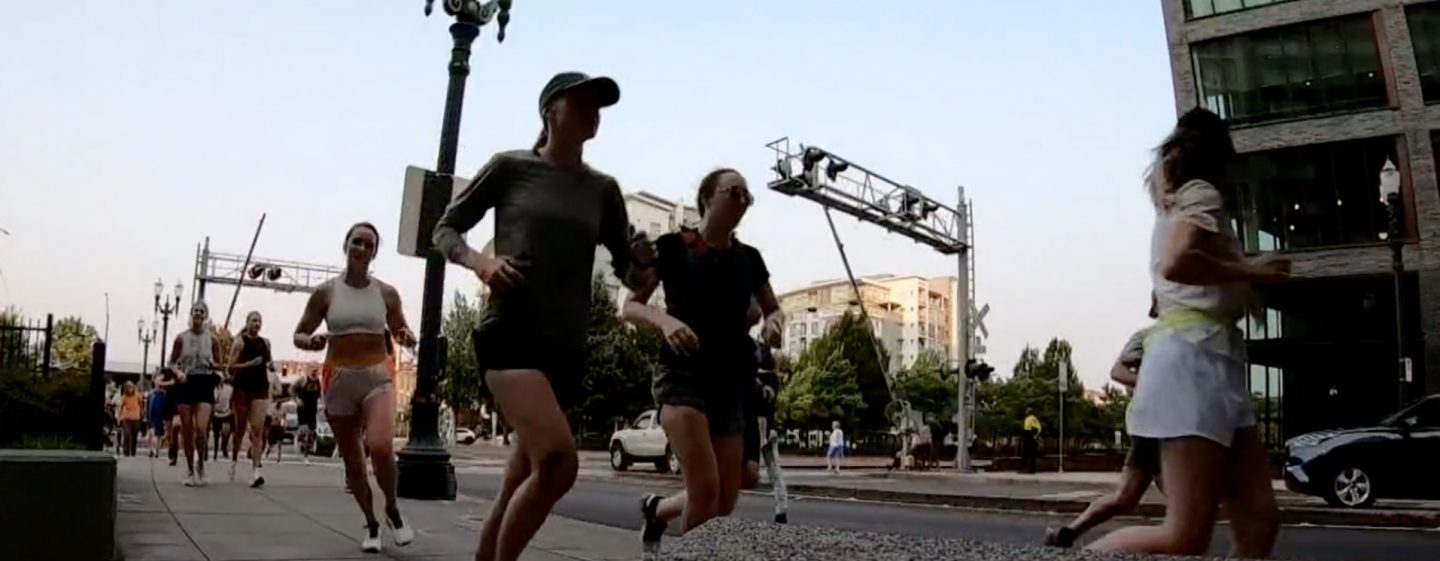
The majority of individuals who rely on prosthetic or orthotic devices are not training for the Paralympics. They are everyday athletes, navigating daily life and seeking to participate in activities that support their physical health, mental well-being, and connection to others. Movement in this context can take many forms. It may look like walking on uneven terrain, hiking, working safely, exercising in whatever ways are accessible, playing recreational sports, or simply keeping up with the pace of daily life. These moments are not secondary to sport. They are foundational. They support long-term health, independence, and quality of life, while also creating space for joy, connection, and participation in community. And yet, access to the appropriate equipment remains one of the most significant and persistent barriers to making this kind of movement possible.
Looking Ahead
The Paralympic Games show what is possible when access, innovation, and opportunity come together, but they do not reflect the baseline experience for most individuals. Across states, coverage limitations continue to restrict access to the activity-specific prosthetic and orthotic devices that make movement safe and sustainable. As a result, many are forced to adapt to equipment not designed for how they need to move, or are left out of participation altogether.
At the same time, the growing visibility of para sport is reshaping culture in meaningful ways. Storytelling and representation are expanding how disability and athleticism are understood, creating new entry points and shifting expectations. That momentum matters, but it must be matched by structural change that ensures people not only see what is possible, but have the tools to experience it themselves.
As we look toward the LA 2028 Paralympics, the opportunity is not only to celebrate elite sport, but to build systems that support participation at every level. Through So Every BODY Can Move’s 28 by 2028 goal, the focus is clear: making access to movement the standard, not the exception.
Because movement is not reserved for the few who reach the podium. It is foundational to health, independence, and community. And it is for every BODY.