NEWS
Movement in Action: Recapping the SEBCM Mid-Atlantic Mobility Day Weekend
By Kyle Stepp
Movement in Action: Recapping the SEBCM Mid-Atlantic Mobility Day Weekend
Movement is more than exercise. It’s connection. It’s confidence. And for people with limb loss and limb difference, it is too often dictated by insurance policies rather than potential.
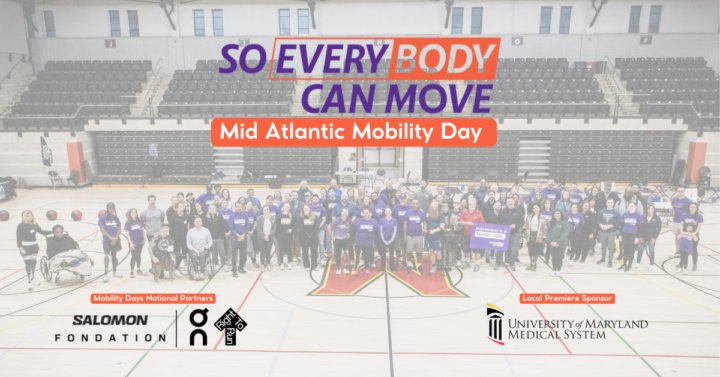
That belief came to life during the SEBCM Mid-Atlantic Mobility Day Weekend, a three-day experience designed to celebrate Maryland’s legislative success, educate clinicians and community members about new access under the law, and invite surrounding states into the growing So Every BODY Can Move (SEBCM) movement.
After launching our first Mobility Days in New Mexico, SEBCM was proud to bring this program to Maryland this December—marking our first Mid-Atlantic Mobility Day and setting the stage for expansion into more states in 2026.
Our Mid Atlantic Mobility Day Weekend was led by SEBCM Maryland State Lead and SEBCM Implementation Contractor Sheryl Sachs, the weekend brought together clinicians, fitness professionals, adaptive sport leaders, volunteers, and individuals with lived experience to demonstrate what happens when policy change meets real-world access.
What Are SEBCM Mobility Days?
SEBCM Mobility Days are a signature program designed to celebrate states that have enacted SEBCM legislation while turning policy into real-world access. These events serve as a celebration of community wins, an educational opportunity to understand new coverage and rights, and an awareness-building platform to engage surrounding states and advocates.
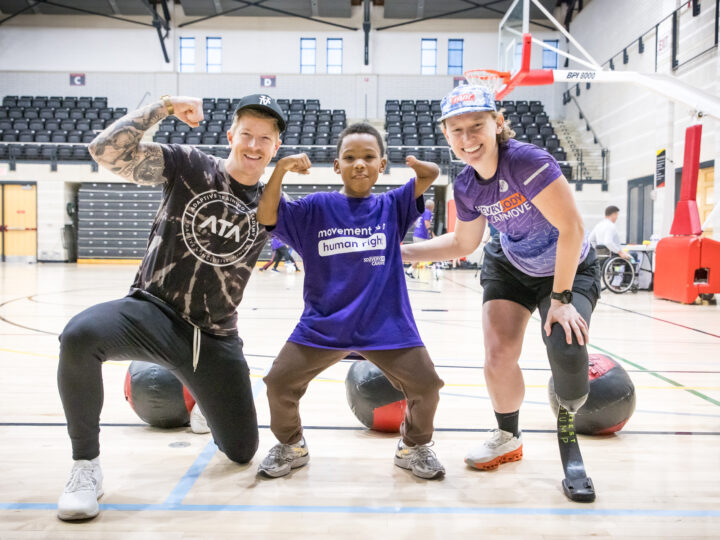
Mobility Days bring together patient care providers, clinics, and manufacturers to showcase activity-specific prosthetic and orthotic options through dynamic programming like running, strength training, yoga, and adaptive sports. Designed for all levels of limb loss and limb difference, these events are a collaborative, statewide effort that prioritizes choice, education, and community.
The Mid-Atlantic Mobility Day Weekend
Featured three distinct but deeply connected events, each playing a critical role in turning legislation into lived experience.
Day 1: Ottobock CEU Course in Partnership with SEBCM
On Thursday, December 4, 2025, SEBCM partnered with Ottobock to host a free, three-hour continuing education course for clinicians and therapists from across Maryland and the Mid-Atlantic region.
Nearly 50 clinicians attended this in-depth training focused on the technical and clinical considerations of running-specific prosthetic feet and knees. The course blended classroom learning with real world application, including:
- Alignment and troubleshooting techniques
- User training strategies to optimize performance
- Live practice with a patient model
Many attendees shared how valuable it was to finally gain exposure to activity-specific prosthetic devices they can now prescribe, fit, and train patients with more confidence—thanks to Maryland’s SEBCM legislation.
Melissa Langley, Director of Marketing Communications at Ottobock, shared that the collaboration with SEBCM resulted in record attendance for this CEU course, underscoring the strong demand among clinicians for education that aligns innovation, policy change, and patient-centered care.
Legislation creates access. Education makes it reality.
Day 2: Adaptive Training Experience with ATA
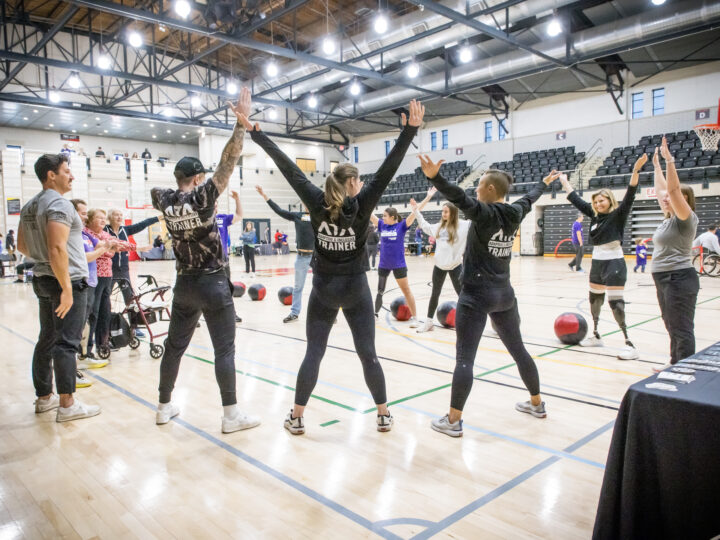
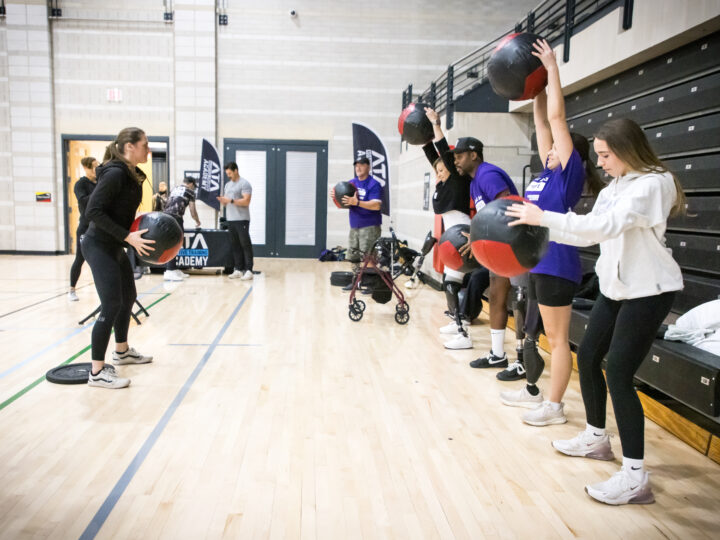
On Friday, December 5, 2025 SEBCM partnered with the Adaptive Training Academy (ATA) to host an immersive adaptive training experience for fitness professionals, therapists, and clinicians.
This engaging event focused on building practical skills and confidence, giving participants the opportunity to:
- Learn how to adapt movements for different physical abilities
- Explore adaptive training equipment
- Practice inclusive coaching strategies that create access for every body
By centering lived experience and real-world application, the training empowered professionals to bring inclusive movement into their own gyms, clinics, and communities.
Day 3: SEBCM Mid-Atlantic Mobility Day
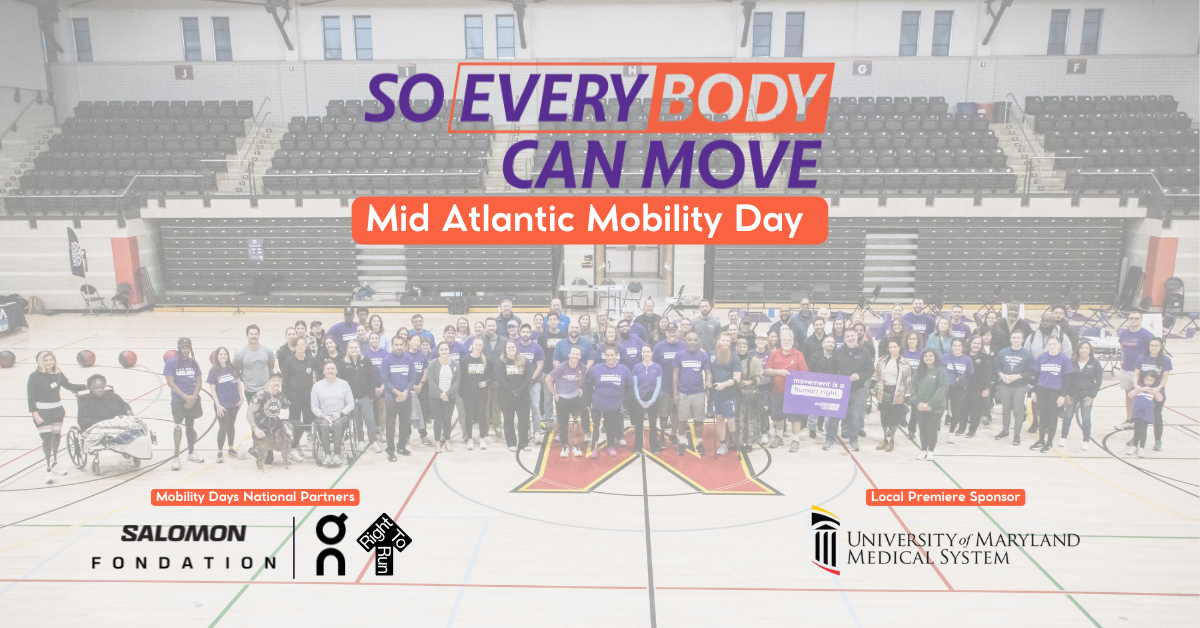
On Saturday, December 6, 2025, more than 100 volunteers and members of the limb loss and limb difference community gathered at the University of Maryland, College Park for the signature Mid-Atlantic Mobility Day.
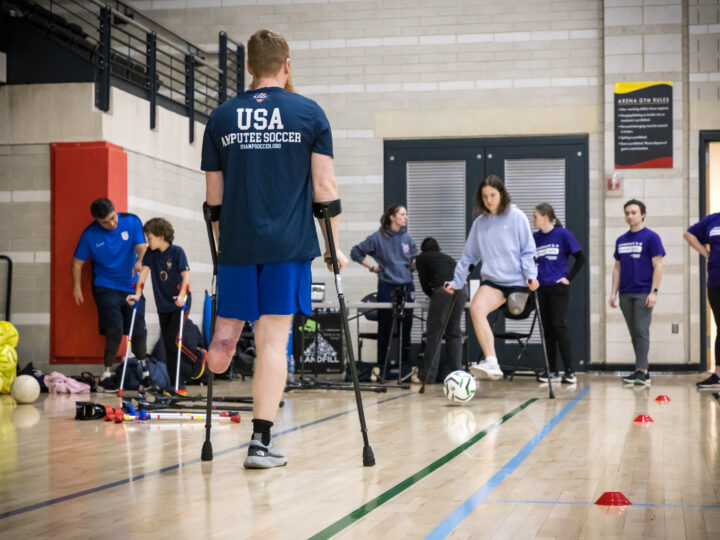
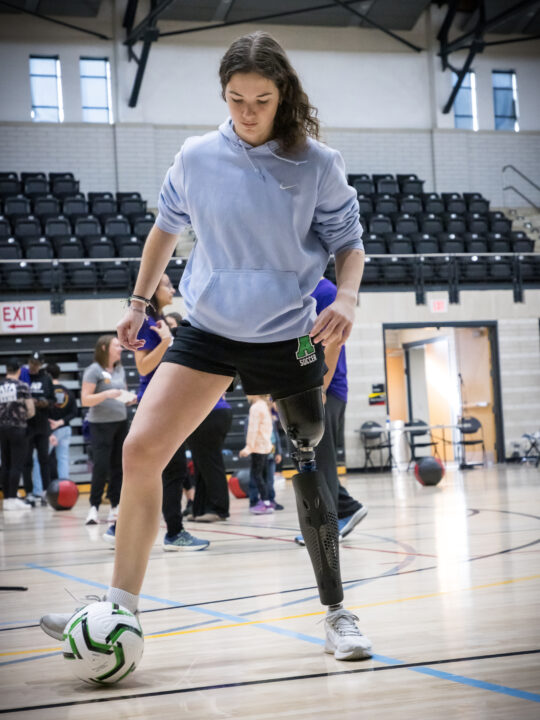
Participants of all ages and levels of limb loss and limb difference tried adaptive sports in a supportive, high-energy environment guided by expert coaches, clinicians, and volunteers. Opportunities included running, adaptive yoga, amputee soccer, tennis, and strength training—often for the very first time.
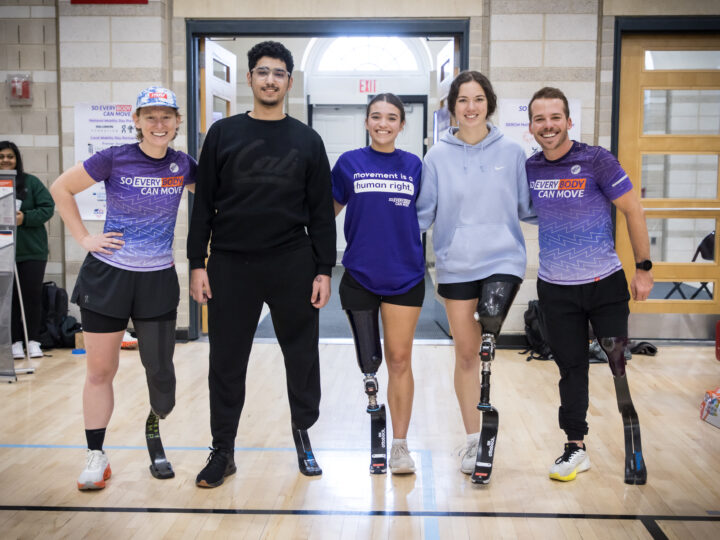
Throughout the day, participants from clinics across the state had the opportunity to demo activity-specific devices from multiple manufacturers, allowing individuals to explore different technologies, ask questions, and experience firsthand what real choice can look like in practice.
Participants and clinicians also learned about Maryland’s new coverage for activity-specific O&P care, thanks to SEBCM. Our team was on site to help answer questions about eligibility, processes, and next steps—helping bridge the gap between policy and practical use. Community members from outside Maryland learned how to get involved in SEBCM advocacy in their own states, extending the impact well beyond the event itself.
Clinicians who attended the Ottobock CEU course earlier in the week were on-site fitting and training individuals on running blades, applying their new knowledge in real time and reinforcing the connection between education and access.
The day was also honored by the presence of Delegate Martinez and Kim McKay, Assistant Secretary of Programs at the Maryland Department of Disabilities, whose attendance underscored the importance of seeing legislation in action and connecting directly to the community it serves.
The Impact of Mobility Days
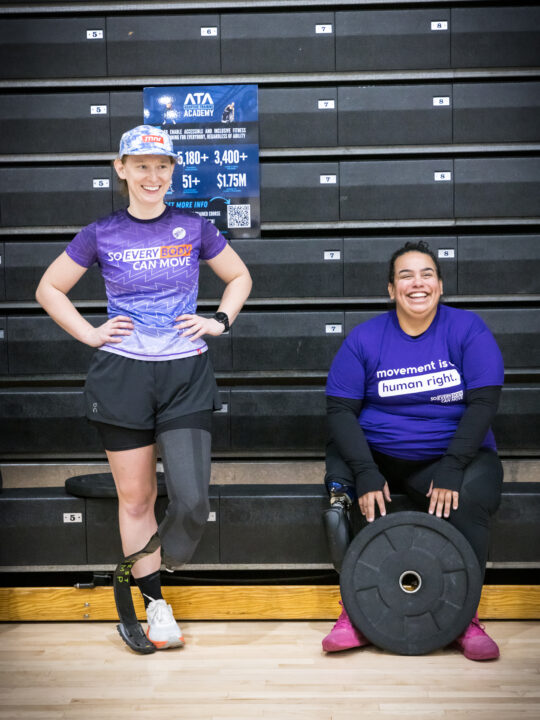
Lisette “Liz” | Delaware
Liz was born with a congenital limb difference and had an amputation at just nine months old. Yet she didn’t run for the first time as an amputee until she was 39.
At Mobility Day, Liz shared how running and sport have been life-changing—not just physically, but emotionally. Movement helped her confront the shame she carried growing up with a disability and reclaim her health and confidence as an adult. Holding back tears, she reflected on what could have been if she had access to the prosthetic care she needed earlier in life. Alongside the joy of movement came grief for the opportunities she never had.
Today, Liz is part of the SEBCM Delaware coalition, working to change the law so little girls like her don’t have to wait decades to experience what should have been available all along.
Saxon | Virginia
“I just want to feel the wind on my face again. And I’m not going to stop until I reach it.”
A longtime SEBCM champion and founder of Team Saksuhn, Saxon has been involved since the launch of the 28×28 Mobility Challenge in 2024. Just four days before Mobility Day, he received a new socket following revision surgery—but his focus was already forward.
At Mobility Day, Saxon worked closely with the Adaptive Training Academy team, building strength and momentum toward his goal of running again. His determination continues to inspire the SEBCM community.
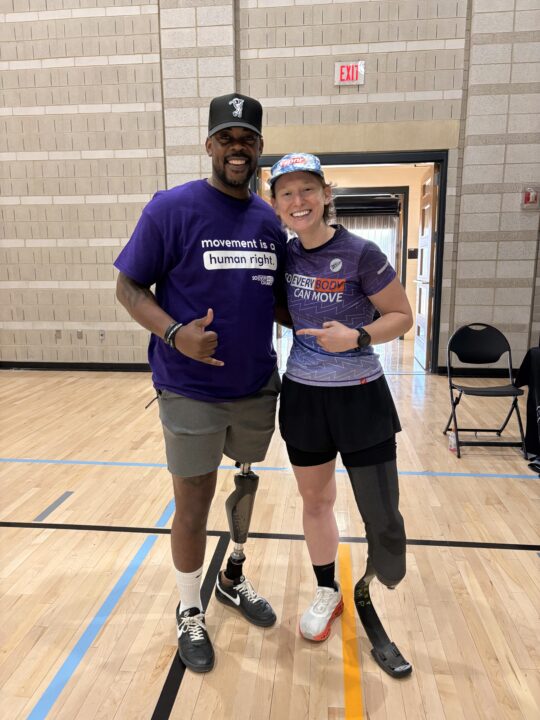
Indigo | West Virginia
“I never get to race others like me.”
Indigo, a high school senior and an above-knee amputee, woke up at 4:30 a.m. to drive more than three hours from West Virginia to attend Mobility Day. Until this weekend, she had never had the opportunity to run alongside someone who shared her limb difference.
Trying multiple running knees and feet gave Indigo a sense of choice and possibility she had never experienced before. Already committed to wheelchair basketball at the University of Alabama, she left with a new love for running—and a stronger sense of belonging.
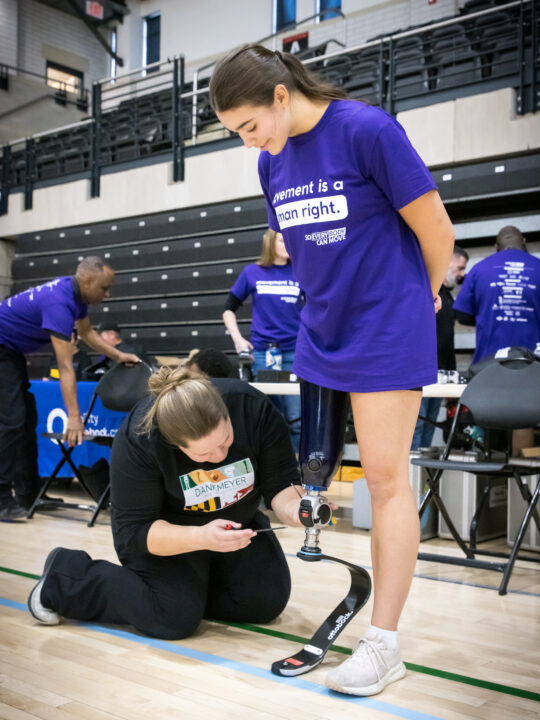
Layla | Maryland
Layla is a senior at the University of Maryland and an above-knee amputee. For years, Layla felt frustrated by running because the donated device she had access to wasn’t right for her. At Mobility Day, she was able to try different running knees and configurations alongside experienced clinicians—learning in real time what worked best for her body.
Beyond the equipment, what stood out most was the experience itself. Running with others and trying new sports she had never been able to participate in as an amputee was deeply meaningful. In just a few hours, her progress was undeniable. One device in particular, Ottobock’s running knee, shifted her confidence and reframed what she believed was possible—not just in running, but in how she shows up to movement and sport moving forward.
Thank You to Our Partners and Sponsors
This weekend would not have been possible without our partners.
National Support
National Mobility Day Sponsors: On’s Right to Run; Salomon Foundation
SEBCM Steering Committee: Amputee Coalition, American Orthotic & Prosthetic Association (AOPA), American Academy of Orthotists and Prosthetists, National Association for the Advancement of Orthotics and Prosthetics
SEBCM Vision Council: Bionic Prosthetics & Orthotics Group, BrainRobotics, Cascade Orthopedic Supply, Click Medical, Hanger, Inc,
Local Sponsors
Premier Sponsor: University of Maryland Medical System
Champion Sponsors: Dankmeyer Prosthetics & Orthotics; Hanger Clinic; Johns Hopkins Hospital Rehabilitation; Medical Center Orthotics & Prosthetics; Mile One Cares with Herb Gordon Subaru; Össur
Advocate Sponsors: LifeBridge Health; Real Life Prosthetics®
Looking Ahead
The Mid-Atlantic Mobility Day Weekend showed what’s possible when legislation, education, and community align. Maryland’s SEBCM legislation (SB-614 / HB-865) is already changing lives—and Mobility Day made that access tangible.
With more Mobility Days planned for 2026, SEBCM will continue expanding this model so people across the country can understand their rights, access the care they deserve, and experience the freedom of movement.
Because when every body has access, every body can move.