NEWS
Building Power, Together: Inside the 2nd SEBCM Leadership Roundtable
By Annika Berlin
As we head into one of the busiest legislative cycles in the history of So Every BODY Can Move, the scale of this work is coming into focus.
In 2026, we anticipate 30 states to introduce bills nationwide, with 23 states having already introduced. These efforts span states with very different political makeups, insurance landscapes, and legislative realities. Some states are introducing SEBCM for the first time. Others are reintroducing or approaching the policy from a new angle based on lessons learned. It is ambitious. It is complex. And it requires prepared, confident leadership at the state level.
That context is what made the SEBCM Leadership Roundtable, held at the Amputee Coalition National Conference, feel so important.
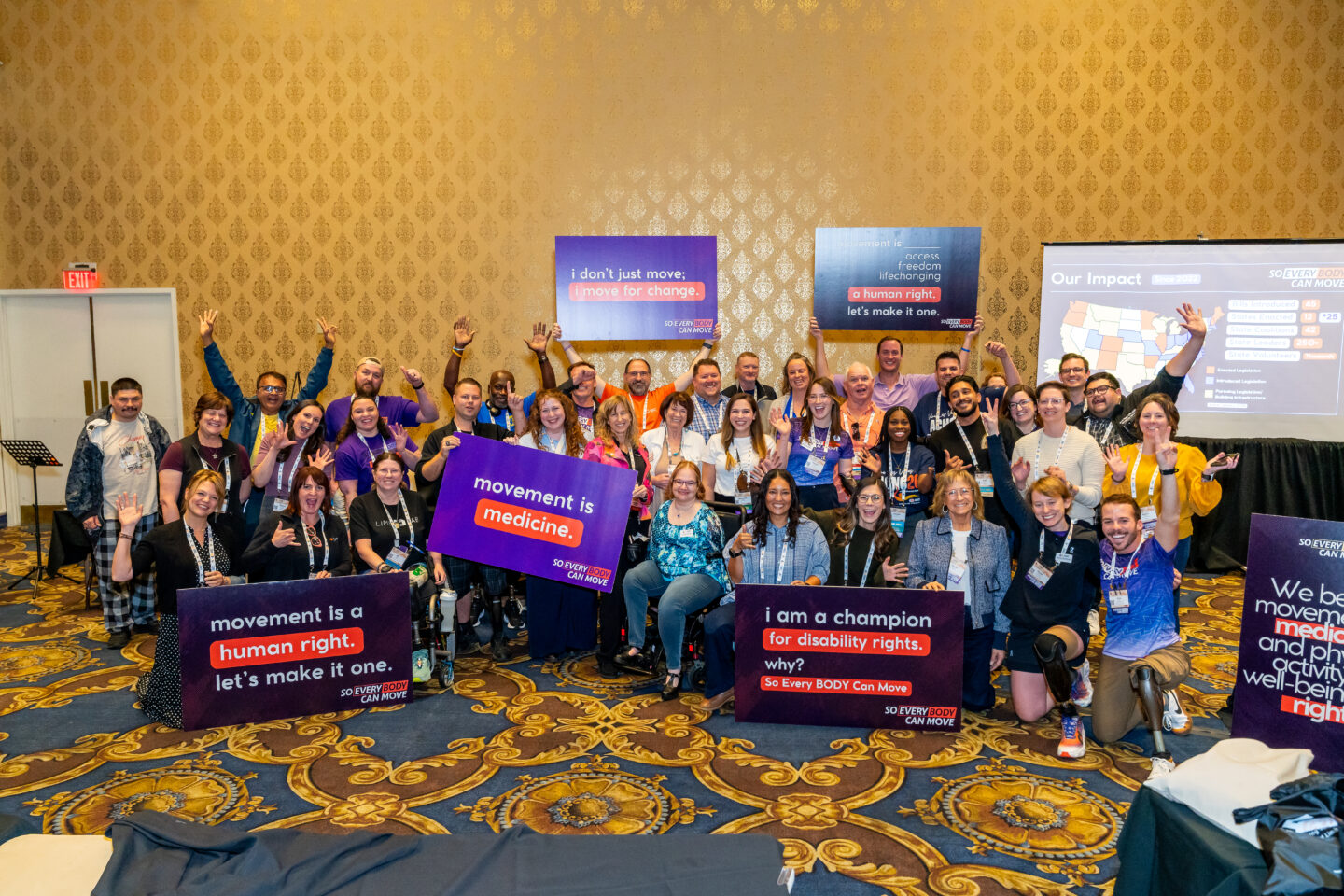
The Leadership Roundtable created a dedicated space for advocates from across the country to learn together, ask questions grounded in what is happening on the ground, and actively problem-solve through real-world SEBCM legislative scenarios. Together, participants worked through challenges they are facing now and helped shape the next phase of this movement. Advocates from more than a dozen states came together for a 2.5-hour working session focused on building leadership capacity as we head into 2026 and beyond.
More Than a Convening, A Shared Strategy Space
The roundtable was intentionally designed to be participatory and practical. Rather than a traditional panel or lecture, the session blended short teaching segments with table conversations and hands-on exercises.
Together, we explored four core areas that state teams consistently tell us are critical to their success:
- How to frame SEBCM within complex insurance and fiscal landscapes and respond clearly to cost and coverage questions
- How to build and sustain strong coalitions over long legislative timelines
- How to use media, visibility, and storytelling as part of a broader legislative strategy
- How to think about implementation and expansion, not just bill passage
After each section, advocates turned to their tables to reflect and discuss. Tables were intentionally mixed so participants were sitting with people from other states, not just their own coalitions. These conversations surfaced where teams feel confident, where they feel stuck, and what support they need next.
What stood out most was not just how much advocates learned from the national strategy, but how much we learned from them.
We learned what language is landing and what is not. We learned where explanations still feel unclear. We learned what tools advocates are actually reaching for in real conversations. Many advocates in the room are doing this kind of policy work for the first time, and their feedback is shaping how we refine our strategy, resources, and support.
This work is not static. It is something we are building together.
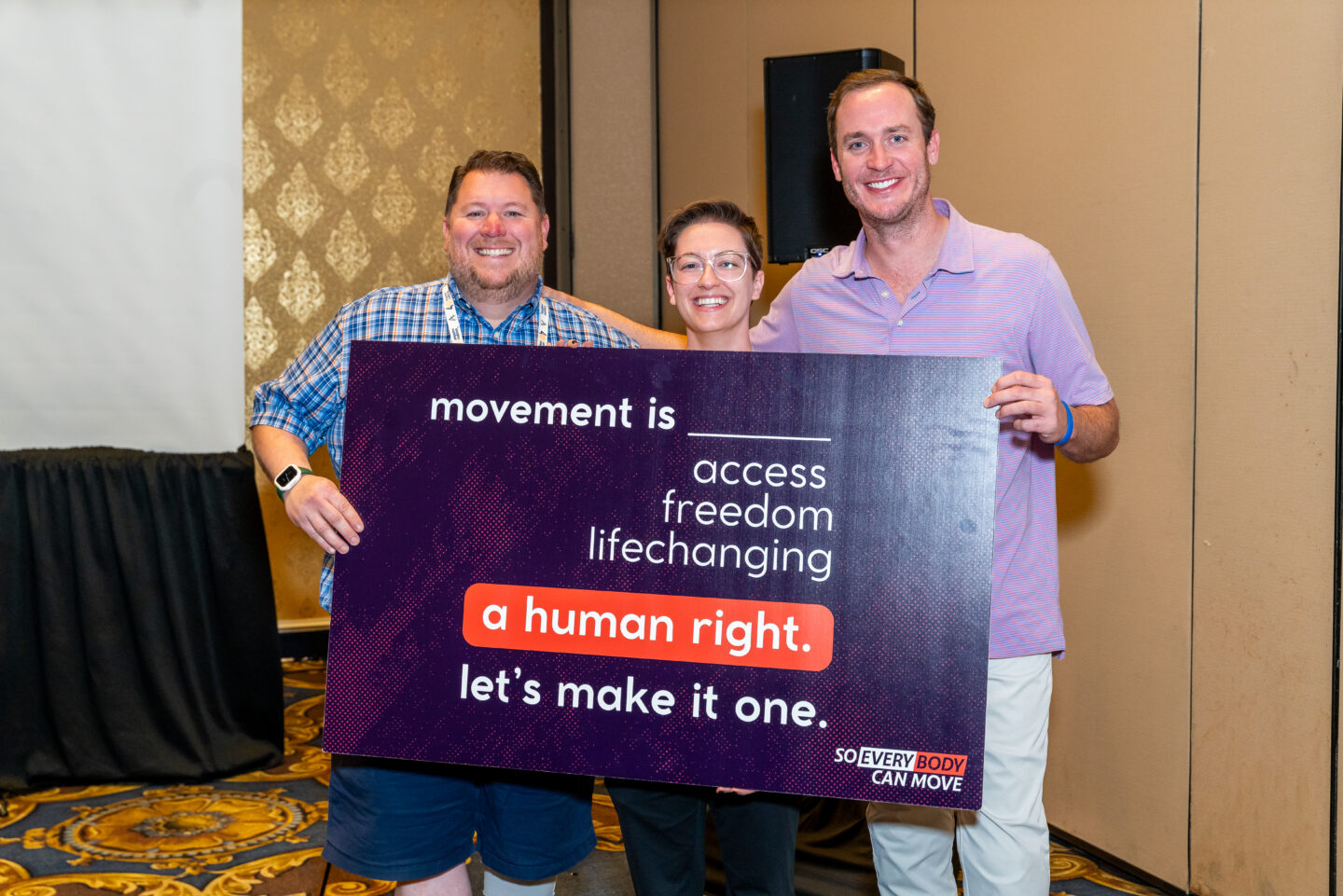
Tennessee state leaders carrying SEBCM forward and sharing what they’ve learned with fellow advocates.
Learning From Each Other, In Real Time
The second half of the roundtable focused on a facilitated case study grounded in real advocacy challenges state teams are navigating right now.
Walking from table to table, the work was visible. Pens were out. Sticky notes covered the tables. Resource packets and worksheets were spread wide as advocates worked through a mock SEBCM legislative scenario together.
At one table, advocates stepped back as a mock coalition to reassess roles, skills, and capacity. They named where too much responsibility was sitting with too few people and talked through how to delegate, bring in new advocates, and build sustainability. This reflected a real challenge many SEBCM states are working through and reinforced a core principle of this movement. Strong advocacy depends on engaging volunteers where they have both interest and capacity.
Across the room, another table practiced responding to common pushback that frames SEBCM as a mandate. Together, they worked through clear, accessible arguments for why SEBCM clarifies an existing coverage benefit, role playing conversations with legislators, insurers, and regulators. Newer advocates listened, asked questions, and then practiced the language themselves.
At a nearby table, advocates connected SEBCM to broader policy priorities like return to work and preventive health. Through role play and discussion, they practiced tailoring the same policy to different stakeholders while staying grounded in lived experience.
A fun and unexpected moment also emerged along the way. A few Amputee Coalition attendees wandered into the roundtable partway through the session with no prior knowledge of SEBCM. By the end, they were introducing themselves by state and asking how to help kick things off back home. What began as a room full of current leaders also became an on-ramp for new advocates from states we have not yet engaged.
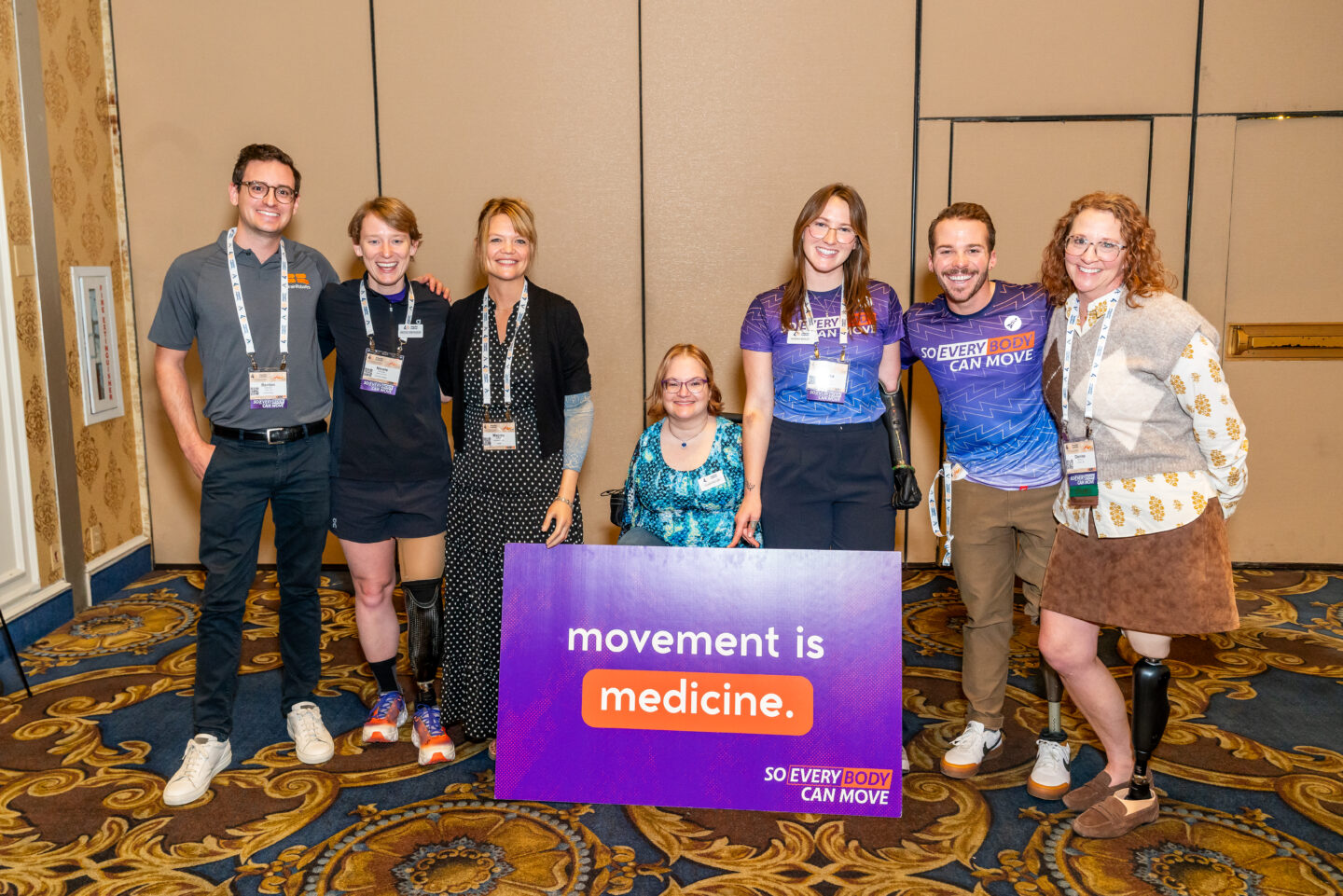
National leaders and state advocates working side by side to advance SEBCM nationwide.
Why This Matters
For state leaders already deep in this work, the session reinforced the value of repetition, shared language, and cross-state learning. Advocacy is rarely linear, and hearing core concepts framed again through different examples helps build confidence and clarity over time.
The roundtable also made something else clear. SEBCM is built through real-world learning. Advocates are not just carrying out a plan. They are actively shaping it. Their questions, experiences, and feedback inform how this work evolves across states, strengthening the strategy and ensuring it is responsive, durable, and grounded in what is actually happening on the ground.
Looking Ahead
One of the clearest takeaways from the Leadership Roundtable was that there is a real need for more spaces like this, and a real appetite for them.
Advocates are navigating increasingly complex legislative landscapes. They are balancing coalition building, insurance education, fiscal questions, media strategy, and long-term planning, often for the first time and often as volunteers. What they need are not just toolkits or talking points, but opportunities to slow down, think together, ask questions out loud, and practice strategy alongside others who are doing similar work in different states.
The Leadership Roundtable offered a glimpse of what becomes possible when that space exists. It showed the value of bringing advocates together across state lines to learn from shared challenges, test ideas, and build confidence through collective problem solving. As SEBCM continues to grow, we see the potential to build on this model and intentionally develop future leadership convenings that support advocates at every stage of the legislative journey, from early coalition building to bill introduction, implementation, and expansion.
This kind of investment is about more than a single event. It is about building leadership capacity over time and creating a feedback loop where strategy is continuously informed by real experiences on the ground. Because lasting change does not happen by accident. It happens when people are equipped with knowledge, connected to one another, and trusted to lead with clarity and purpose.
The SEBCM Leadership Roundtable was a reminder that when we invest in advocates and listen closely to what they are experiencing, we do more than advance policy. We strengthen leadership, deepen community, and build power together.