NEWS
It’s Working: New Mexico ft. Ahmahn Peeples, CPO – Hanger Clinic | SEBCM Implementation Champion
By Kyle Stepp
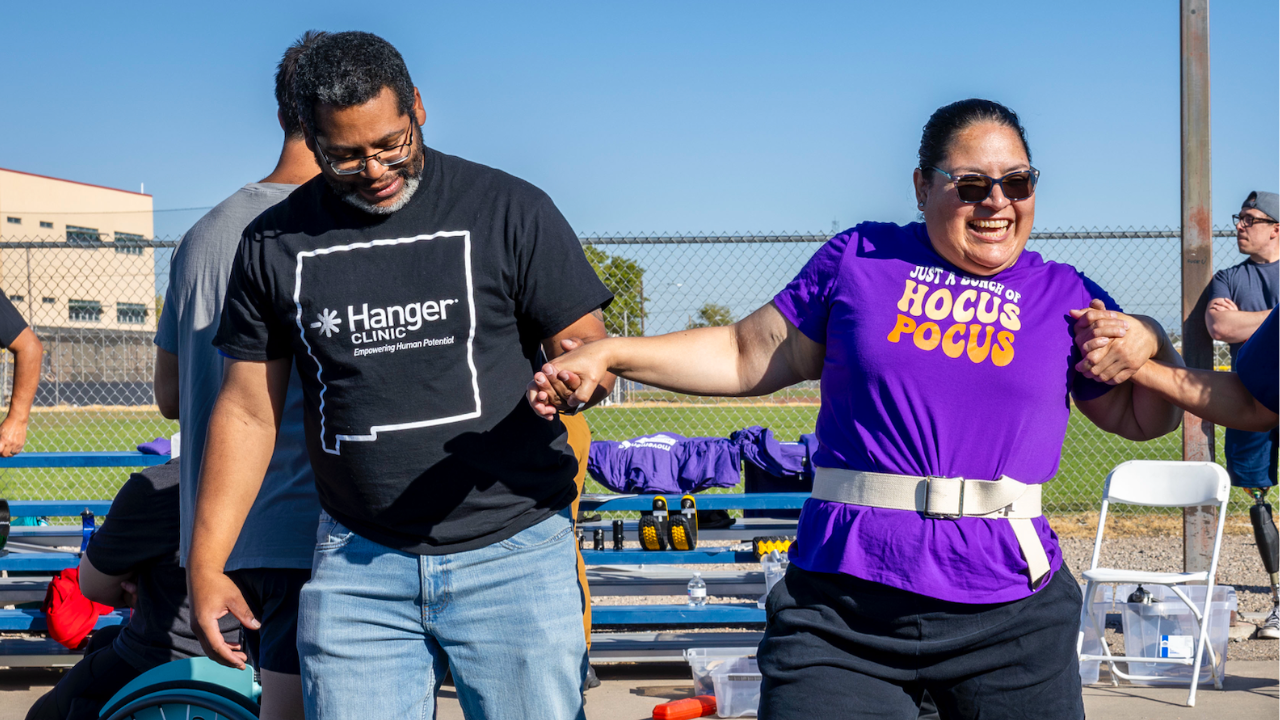
Get To Know: Ahmahn Peeples, CPO — SEBCM Implementation Champion
Across the country, clinicians are working every day to implement So Every BODY Can Move laws and translate policy into real-world access for their patients. These leaders are helping ensure that coverage for activity-specific prosthetic and orthotic care moves from statute to standard of care in clinics nationwide.
This month, we’re proud to recognize Ahmahn Peeples, CPO, of Hanger Clinic in Albuquerque, New Mexico, as one of our SEBCM Implementation Champions.
When SEBCM legislation was passed in New Mexico in 2023 (HB 131, 2023), it required state-regulated health plans to cover prosthetic and orthotic devices for physical activity when medically necessary, including:
- Individual plans
- Small group plans
- Large group commercial plans
- State employee plans
- Medicaid
And it changed what happens in clinics.
Instead of, “We have to wait 3–5 years or never be able to have the conversation about physical activity” clinicians can now ask, “What are your goals?”

Ahmahn Peeples, CPO — SEBCM Implementation Champion
Since the bill passed, Albuquerque-based prosthetist Ahmahn Peeples, CPO at Hanger Clinic has delivered everything from:
- Specialized upper extremity devices for push-ups and strength training
- Customized setups for archery
- Adaptive rock-climbing configurations
- Running-specific prosthetic devices
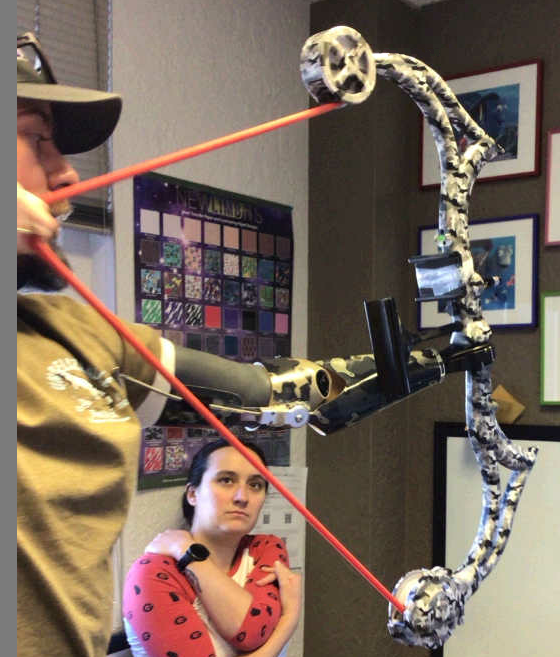
Before this law, many of these options would have been delayed, denied, or never discussed. Activity-specific devices were often treated as optional rather than medically necessary tools for long-term health.
One patient born with limb difference had never been able to properly strength train. Over time, that limitation contributed to muscle imbalance and skeletal strain.
With a newly covered workout arm, he did 10 push-ups on day one and set him on his path towards pursuing his health goals.
He was skeptical at first.
He left grinning.

Ahmahn’s Reflection
“Before this law, I often had to tell people we had to wait years for another device or never be able to have the conversation because of a lack of access and coverage. Now that door is open. The research is clear — prolonged immobility leads to overall health decline.
This legislation gives people the chance to try something they may never have considered. I had a patient who wanted to go to the gym for the first time to get healthy and do push-ups. He was skeptical about a workout arm at first. I asked him to trust the process.
On day one, he did ten push-ups. When he stood up, he had the biggest grin on his face. He was already talking about everything else he wanted to try.
Seeing that shift — that confidence and joy — that’s why I love what I do.”
Ahmahn also serves patients whose insurance plans are not regulated at the state level and therefore are not yet impacted by this law.
He sees the difference every day.
“Not all of my patients benefit from this legislation yet,” Ahmahn shares. “But for the ones who do, the change is real. It’s immediate. And it shows what’s possible.”
For Ahmahn — and for SEBCM — that’s exactly why this work continues state by state.
Each state victory builds proof and the momentum we need for federal change. It creates real patient outcomes, real data, real implementation models, and legislative champions who understand that access to medically necessary prosthetic and orthotic devices for physical activity isn’t a luxury — it’s preventative healthcare.
State by state, we are demonstrating that this works.
New Mexico is one example and we are seeing this same impact all across the country.
And this is what progress looks like: A clinician asking about health goals. A patient doing 10 push-ups to work towards their health goals. A door that used to be closed, now open.
It’s working.